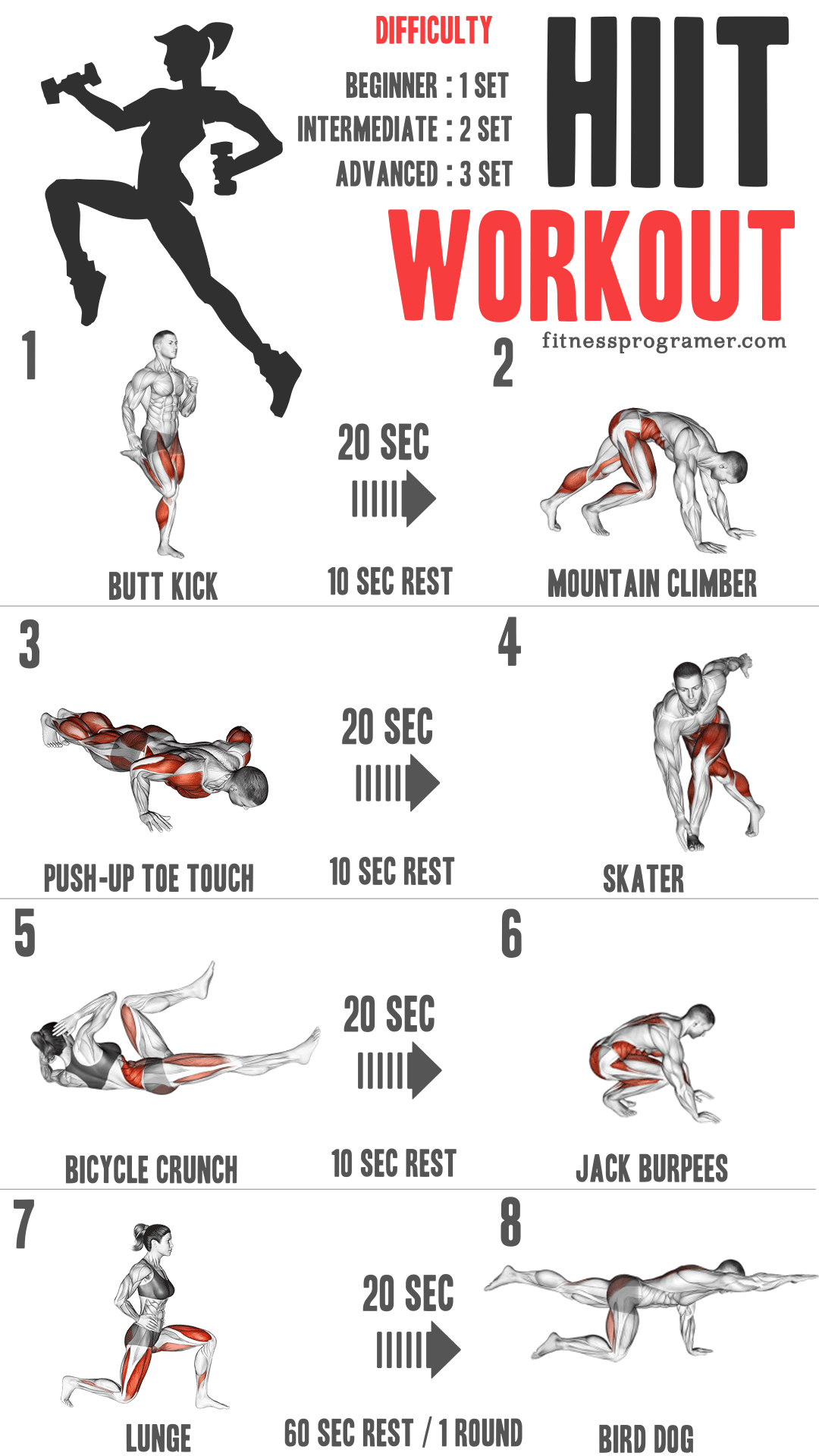
HIIT vs. Traditional Running: Which is Right for You?
When it comes to fitness, many enthusiasts often find themselves torn between HIIT (High-Intensity Interval Training) and traditional running. Each method boasts its own unique benefits, making the decision more complex. HIIT is known for its time efficiency, often delivering an effective workout in 20-30 minutes, and is particularly effective for burning calories and improving cardiovascular fitness. On the other hand, traditional running can be more accessible for those who enjoy longer, steadier workouts and the chance to disconnect from daily stresses while enjoying nature.
Ultimately, choosing between HIIT and traditional running depends on your personal fitness goals, schedule, and preferences. If you're looking for a quick, intense workout that can fit into a busy lifestyle, HIIT might be the perfect fit for you. Conversely, if you love the meditative aspect of running and prefer a longer, endurance-based approach, then traditional running is likely your best choice. Consider experimenting with both to see which style resonates with you more, as both can be effective in achieving your fitness aspirations.
Maximize Your Workout: The Benefits of Combining HIIT and Running
Combining HIIT (High-Intensity Interval Training) with running is an effective way to enhance your workout regimen. This powerful combination maximizes calorie burn, boosts cardiovascular health, and improves overall fitness levels. HIIT alternates between short bursts of intense exercise followed by rest or low-intensity periods, which not only keeps your metabolism revved up long after you've finished exercising but also builds endurance and strength. By integrating HIIT intervals into your running routine, you can effectively push your limits, leading to improved performance and stamina on longer runs.
Moreover, the combination of HIIT and running offers varied benefits, including:
- Time Efficiency: You can accomplish an effective workout in a shorter period compared to steady-state running.
- Variety: Mixing HIIT with running reduces workout monotony, keeping you engaged and motivated.
- Enhanced Fat Loss: The afterburn effect from HIIT means you'll continue to burn calories even after your workout.
Whether you are training for a race or looking to improve your fitness, combining HIIT with running can help you achieve your goals faster and more effectively.
How to Create an Effective HIIT and Running Schedule for Optimal Results
Creating an effective HIIT and running schedule is essential for achieving optimal results in your fitness journey. To begin, you should assess your current fitness level and set clear goals. This could range from improving your endurance, burning fat, or even preparing for a race. Once you have your objectives outlined, you can structure your week by incorporating various workout types. A balanced plan might look something like this:
- Monday: 20 minutes of HIIT
- Tuesday: 30-minute steady-state run
- Wednesday: Rest or low-intensity activity
- Thursday: 25 minutes of HIIT
- Friday: Long run (up to 60 minutes)
- Saturday: Cross-training
- Sunday: Rest
When executing your HIIT sessions, focus on high-intensity intervals lasting 20-40 seconds followed by equal or slightly longer rest periods. This will allow you to maintain a high level of exertion without overexerting yourself. Additionally, pay attention to your body’s signals; if you feel too fatigued or are struggling to recover, adjust your schedule accordingly. Remember, consistency is key in any workout routine. Gradually increase the intensity of your runs and HIIT workouts to continue challenging your body while minimizing the risk of injury. With commitment and a well-structured plan, you can achieve remarkable improvements in your fitness levels.