Why Does My Cat Do That? Understanding Feline Quirks
Understanding your cat's behavior can sometimes feel like cracking a code, especially when they exhibit those quirky habits that seem downright puzzling. Cats possess a range of instinctual behaviors rooted in their ancestry as solitary hunters. For example, the classic behavior of kneading, or 'making biscuits,' originates from kittenhood when they kneaded their mother's belly to stimulate milk flow. This comforting action often continues into adulthood, making it a sign of affection or contentment when they knead your lap or a soft blanket.
Another common feline quirk is the infamous "cat zoomies," where your cat suddenly bursts into a frenzy of energy, darting around the house as if possessed by a wild spirit. This behavior can be attributed to their natural hunting instincts; despite being domesticated, cats still retain the urge to chase and pounce. Additionally, some cats exhibit peculiar scratching habits, which serve not only as a way to keep their claws sharp but also to mark their territory with scent glands in their paws. By understanding these feline quirks, cat owners can appreciate the unique personalities of their pets while fostering a harmonious relationship.
Top 10 Hilarious Cat Behaviors That Will Make You Laugh
Cats are not only adorable companions, but they also come with a unique set of quirks that make them especially entertaining. Here are the Top 10 Hilarious Cat Behaviors that will undoubtedly bring a smile to your face:
- The Zoomies: When your feline friend suddenly darts around the house like a tiny tornado, it's hard not to laugh.
- Box Obsession: If it fits, it sits! Watch your cat squeeze into any box, no matter the size.
- Pawing at Imaginary Enemies: Cats have an uncanny ability to attack thin air. It's like they're engaged in a battle no one else can see!
- Unexpected Pouncing: The surprise leaps off furniture can be comical, especially when they land awkwardly.
- The Staring Contest: Cats often fixate on you or other unsuspecting prey, leading to hilariously awkward glances.
- The Sneak Attack: Watch your cat stealthily hide and then pounce on unsuspecting toys (or your feet) for entertainment.
- Curiosity Overload: Cats are notorious for investigating everything, which can lead to some hilarious encounters with everyday objects.
- Vocal Shenanigans: Whether it's a silly meow or a loud purr, their sounds can bring a light-hearted atmosphere to any room.
- The Scratch-and-Wiggle: Cats often scratch an imaginary itch or wiggle their behinds before pouncing; it's both odd and funny!
- Endless Naps: The way they curl up or flop over in the most unlikely spots showcases their comedic laziness.
The Science Behind Cats and Their Wacky Antics
Cats are known for their **quirky behavior** and wacky antics that often leave us perplexed and entertained. Understanding the **science behind these behaviors** requires delving into their natural instincts and evolutionary background. Domesticated cats, although living in our homes, retain the primal traits of their wild ancestors. For instance, their propensity to pounce, chase, and play mimics hunting behaviors that were essential for their survival in the wild. This innate drive explains why you might find your cat engaging in a seemingly random burst of energy, often referred to as the 'zoomies,' which is essentially their way of channeling their hunting instincts in a playful manner.
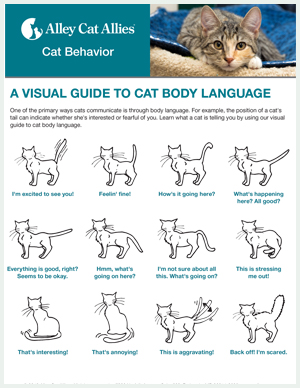
Another fascinating aspect of cat behavior is their **communication methods**. Unlike dogs, which are highly vocal, cats rely more on body language and subtle cues. A cat's twitching tail or slow blink can convey various emotions, from happiness to irritation. Furthermore, cats often engage in behaviors like kneading and purring, which are not just adorable but have scientific explanations. Kneading is reminiscent of kittenhood when they would knead their mother's belly to stimulate milk flow. Purring, while often associated with contentment, can also occur when a cat is in pain or feeling stressed, indicating a complex emotional range. Understanding these behaviors can help cat owners provide better care and strengthen their bond with their furry friends.