Unlocking the Benefits of Functional Training: Why It Matters for Everyone
Functional training is a versatile approach to fitness that emphasizes exercises mimicking everyday activities, thereby enhancing strength, mobility, and overall physical performance.
For many, the key benefits of functional training include improved balance, coordination, and flexibility. Everyone—from athletes to seniors—can reap its rewards, making it an essential component of any well-rounded fitness regimen.
10 Essential Functional Exercises to Boost Your Everyday Performance
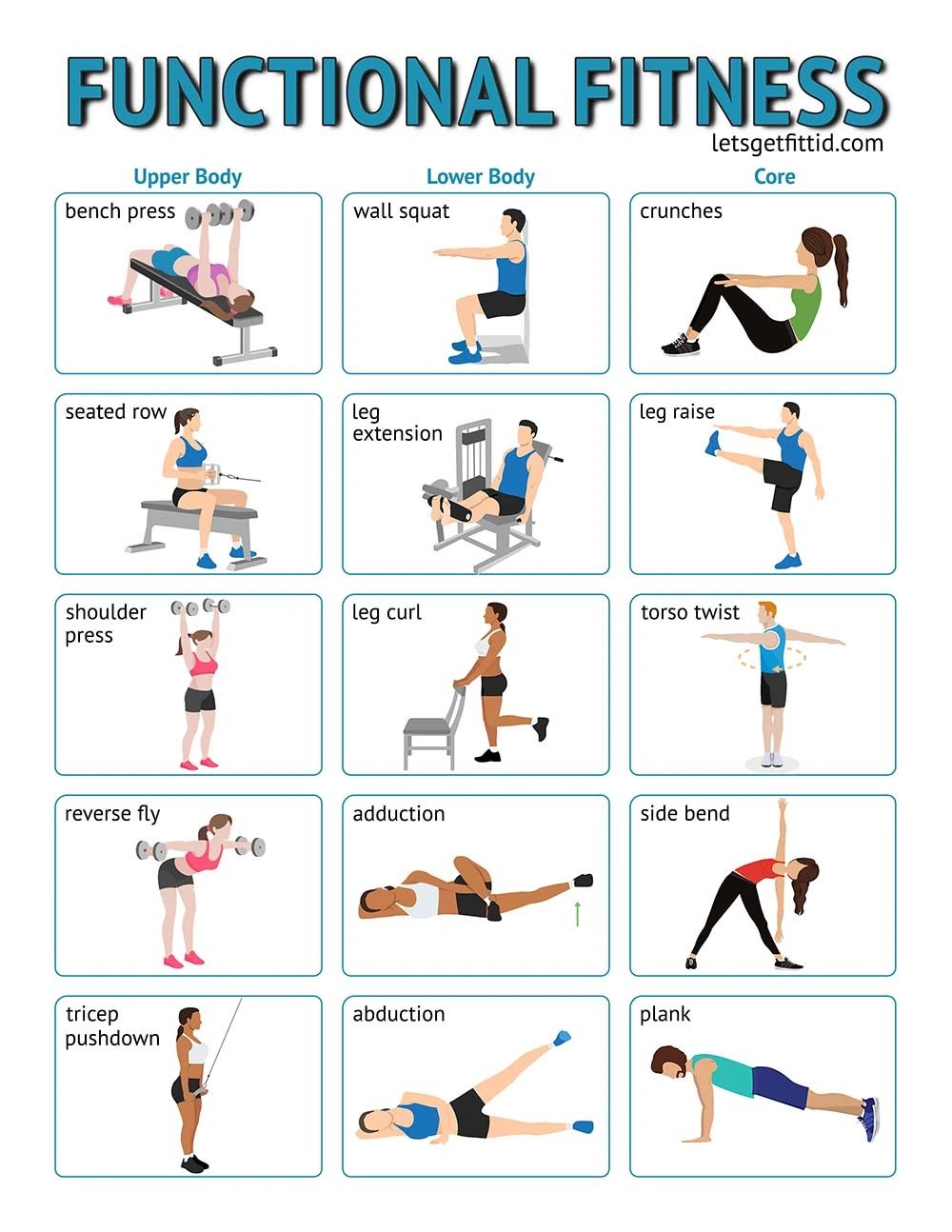
Incorporating functional exercises into your fitness routine can significantly enhance your everyday performance. These exercises mimic real-life movements and engage multiple muscle groups, improving strength, balance, and flexibility. Here are 10 essential functional exercises you can easily integrate into your workouts:
- Squats: Great for building lower body strength and improving mobility.
- Deadlifts: Enhances posterior chain strength, vital for maintaining good posture.
- Push-ups: A full-body workout that strengthens the chest, shoulders, and core.
- Pull-ups: Effective for upper body strength and improving grip.
- Lunges: Develop balance and coordination while targeting the legs.
- Planks: Stabilizes core muscles, essential for overall functionality.
- Dumbbell Rows: Strengthens the back muscles and promotes better posture.
- Kettlebell Swings: Combines strength and cardio, increasing overall fitness.
- Farmers Walk: Improves grip and total body strength.
- Box Jumps: Builds explosive power and agility.
Is Functional Training Right for You? Find Out with Our Comprehensive Guide
Functional training has gained significant popularity in recent years, but is it the right fit for you? This type of exercise focuses on movements that mimic everyday activities, helping to improve strength, balance, and coordination. Many people find that by incorporating functional training into their fitness routine, they experience improved performance in daily tasks, such as lifting groceries or playing with their kids. To determine if this training method is suitable for you, consider your current fitness level, goals, and any specific physical limitations you may have.
To help you assess whether functional training aligns with your needs, here are a few key questions to ask yourself:
- What are my fitness goals? (e.g., weight loss, increased strength, mobility)
- Do I have any pre-existing injuries or medical conditions that might affect my ability to perform certain exercises?
- Am I looking for a training style that is adaptable and can be modified for various skill levels?
Answering these questions will guide you in making an informed decision about whether functional training is the right path for your fitness journey.