Essential Car Maintenance Tips Every Driver Should Know
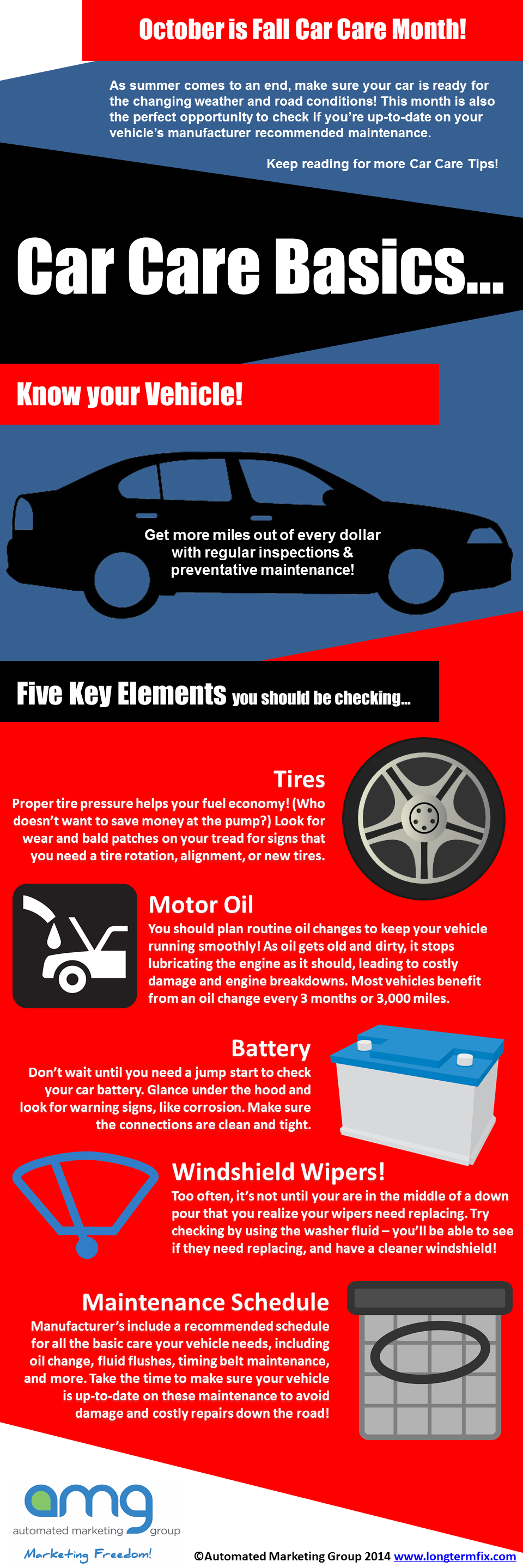
Proper car maintenance is crucial for ensuring the longevity and performance of your vehicle. Essential car maintenance tips include regular checks of vital components, such as oil levels, tire pressure, and brake systems. Start with a monthly inspection of your tire pressure, as improper inflation can lead to decreased fuel efficiency and uneven tire wear. Additionally, make it a habit to check your engine oil, coolant, and windshield washer fluid levels to prevent potential issues down the road.
Another key aspect of car maintenance is staying on top of your vehicle's service schedule. This includes not only oil changes but also replacing air filters and brake pads as needed. Consider creating a checklist to track these essential tasks and ensure you don’t miss any. Regularly replacing worn-out components can save you from costly repairs in the future and help maintain your car's safety and performance. Remember, a well-maintained vehicle is a reliable one, so invest time and effort into these essential tips!
How Often Should You Really Change Your Oil? The Truth Revealed
Changing your oil is a critical aspect of vehicle maintenance that many drivers overlook. The general rule of thumb has been to change your oil every 3,000 miles, but recent advancements in engine technology and higher-quality oils have changed this guideline. Most manufacturers now recommend oil changes between 5,000 to 7,500 miles for conventional oil, and even up to 15,000 miles for synthetic oil. Factors such as your driving habits, climate, and the type of oil you use can influence how often you should change your oil.
Additionally, it’s important to note that oil changes are not solely based on mileage. Many modern vehicles have oil life monitoring systems that notify you when it's time for a change. Paying attention to these indicators can help you avoid unnecessary changes and save money in the long run. To keep your engine running smoothly, make it a habit to check your oil level regularly and look for signs of contamination. Remember, changing your oil too frequently can be just as damaging as not changing it often enough.
10 Common Car Problems and How to Spot Them Early
Car ownership comes with its share of challenges, and being aware of common car problems can save you time and money in the long run. Here are ten issues that car owners frequently encounter:
- Engine Overheating - This can lead to severe damage, so watch for steaming from the hood.
- Brake Issues - If you hear a squeaking noise or feel a vibration, it’s time for a check-up.
- Leaking Fluids - Spotting puddles under your car may indicate problems with various systems.
- Dead Battery - Slow engine start can be a sign your battery is on its last legs.
- Tire Wear - Uneven tread can signal alignment issues or improper inflation.
Being able to spot these problems early is key to maintaining your vehicle’s health. Here are five more common car problems to keep an eye out for:
- Transmission Issues - Slipping gears or unresponsive shifts can indicate significant trouble.
- Check Engine Light - Never ignore this warning; it’s your car’s way of communicating.
- Strange Noises - Clicking or grinding sounds can point to imminent issues.
- Electrical System Failures - Malfunctioning headlights or dashboard lights need immediate attention.
- Exhaust Problems - If you smell a strong odor or see smoke, it’s essential to investigate.